Check your dog’s heavy metal levels
Assess toxic element exposure and your dog’s toxic burden through hair analysis.
The analysis is performed using a laboratory method (ICP-OES) and is informational in nature — it supports the assessment of exposure to toxic elements and the impact of the environment on the dog’s body.
How to order
1
Order the test online
2
Receive a sampling kit
3
Fill out the form and collect the hair sample according to the instructions
4
Send the sample to the laboratory
5
Receive your results (within up to 14 business days)
6
Review the report
What does the analysis report include?
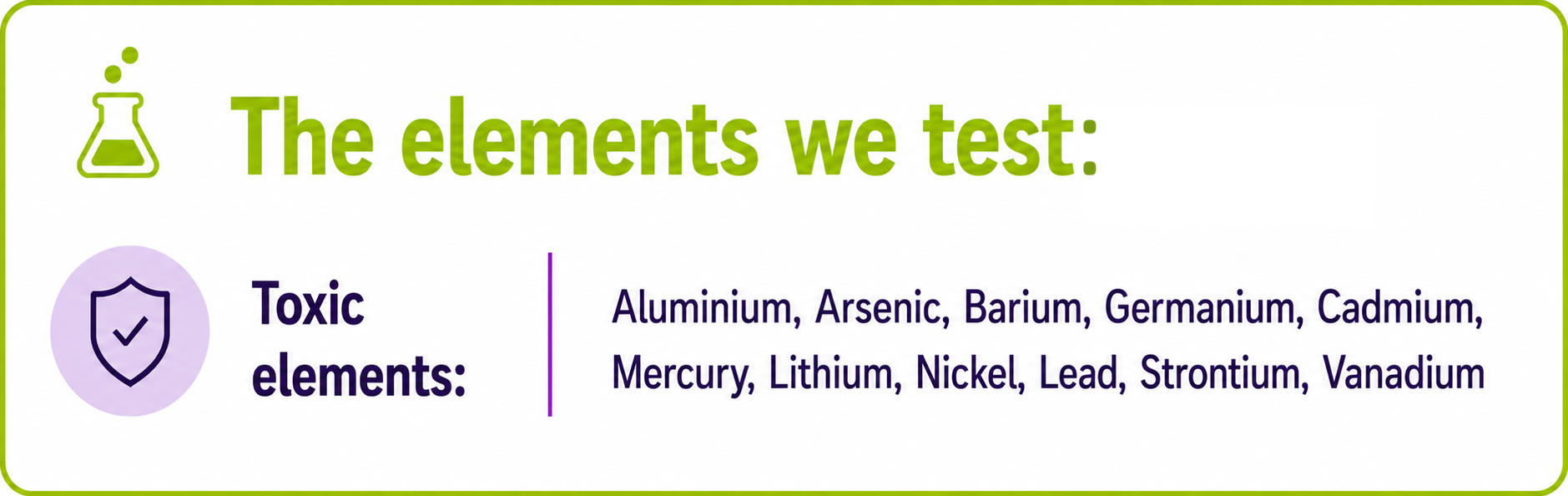
✓ levels of 11 toxic elements in the hair sample
✓ overall level of heavy metal burden in the body
✓ description of results in the context of environmental exposure
✓ information on potential sources of toxic elements
The results may help assess the animal’s exposure to environmental factors.
What information can you obtain?
✓ presence of toxic elements in the body
✓ heavy metals requiring attention
✓ assessment of long-term exposure to harmful elements
✓ possible impact of the environment on the dog’s body
Individual exposure of the dog
✓ living environment (e.g. pollution)
✓ diet and food sources
✓ contact with materials containing heavy metals
✓ daily habits and living conditions
The analysis supports the assessment of the dog’s exposure to toxic elements.
When is it worth considering the test?
✓ suspected exposure to toxic elements
✓ need for heavy metal exposure assessment
✓ living environment (e.g. industrial areas)
✓ dogs living in specific environmental conditions
✓ regular monitoring of the animal and follow-up testing
Why hair analysis?
Hair may reflect the long-term accumulation of toxic elements, which distinguishes it from tests performed on body fluids.
Different analytical methods provide different types of information and are not directly comparable.
Nutritional consultation
The test does not include a consultation.
Important information
Elemental hair analysis (HTMA) is intended for informational and educational purposes.
It is not a veterinary diagnostic test and is not used to diagnose diseases or make medical decisions.
If you have concerns about your animal’s condition, consultation with a veterinarian is recommended.
Our patients
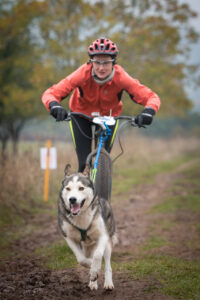
Ursus, Najjuk
and behavioral
issues
Read more
It was great, thank you! Thanks to the EHAA, I obtained my answers. As a dog behaviourist, I look forward to seeing the impact of nutrition change on behavioural issues. I received advice about how to add variety to my dog’s diet, which food I should use and which to avoid, according to my dogs’ profiles. All this will help me to rebalance my dogs’ nutriments concentration.
Melissa, Ursus and Najjuk
Alfi and his issue
with excess
iron
Read more
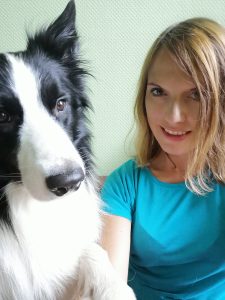
In October 2019, I decided to do an EHAA test, because I’d been unsuccessful at explaining my dog’s health problem at several vet clinics. Alfi – a border collie, three years old – has been struggling with high levels of iron in the blood for over a year. Almost no vet clinic was able to give me an answer regarding treatment options (only a change of diet or phlebotomy were suggested). Several dietary changes in the form of vegan or fish pet food didn’t decrease the dog’s iron levels. After doing an EHAA test, I arranged a phone consultation with Dr. Olga Lasek. She devoted almost 50 minutes of her time to a detailed discussion of individual parameters present in the results. She pointed out that the iron problem could be related to, for example, the thyroid (as indicated by the results of the EHAA test). She also suggested changing the diet to chicken (less iron compared with other pet food), eliminating vitamin C supplements and probiotics (which may increase this element). I followed all of these suggestions. After two weeks, a blood test performed at the veterinary clinic showed hypothyroidism – the dog received Euthyrox 200 mg twice daily. Dr. Olga Lasek’s suspicions were confirmed. Although the level of iron remains unchanged (unfortunately, this is probably related to a metabolism typical of my dog), a thyroid problem was diagnosed and factors that could further increase iron levels were eliminated. I’m satisfied with the results of the test. I recommend it to every pet owner, as the results may show other undetected diseases.
Ann and Alfi
Support for Hiroki
on a raw diet
Read more
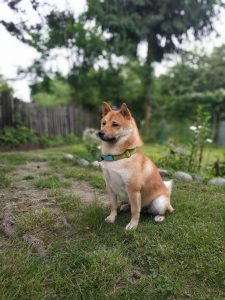
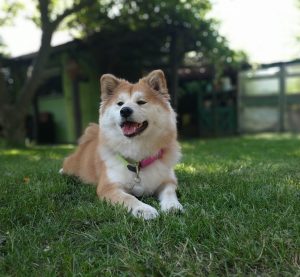
I am a happy owner of a Shiba dog, a male named Hiroki. Since puppyhood, he has been on a raw diet, which is why monitoring his body biochemistry and maintaining proper mineral balance is extremely important.Additionally, I believe it’s important to know what is normal for an animal when it is healthy—not only when something is wrong. Otherwise, there is often no point of reference.Standard testing is usually done using blood samples. However, Hiroki becomes very stressed during such procedures (which can also affect and distort the results), so I decided to choose a completely non-invasive method instead.At the beginning of the year, I decided to order an EHAA test kit for my dog, along with a consultation of the results by an animal nutritionist—an expert from the laboratory.
Ann and Hiroki
Alfred’s nutrition
Read more
Thanks to PetsDiag, we had the opportunity to better understand the needs of our dog, Alfred. The information that was given to us greatly influenced his diet. We highly recommend it. If you think something’s wrong with your pet, but you don’t really know what to do, PetsDiag is the answer.
Wiktoria and Alfred
Zu and a post-spay
diet
Read more
Zu is a long-haired Shiba Inu, and she’s unique in every way. The basis of her diet is raw meat and supplements that are appropriate for this diet. Last year, Zu underwent a neutering treatment, which is why I pay even more attention to her diet. This year, I decided to broaden her follow-up tests to include EHAA. I wasn’t aware of how detailed the results would be. Fortunately, I received the help of a dietitian, whose consultation is included in the price of the test. During the one-hour conversation, I received a huge dose of knowledge, as well as suggestions for possibly modifying Zu’s diet. I recommend it to anyone who would like to check if they’re feeding their dog properly.
Marcin and Zu
Abi’s overweight
Read more
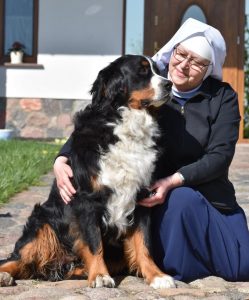
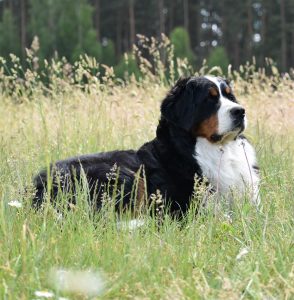
Abi from puppy farm Mazurska Zagroda is a five-year-old Bernese Mountain Dog. We performed the EHAA test twice – in 2018 and 2019. Abi was overweight and had a matte coat with a shade of red. The first test found that the nutrient ratios were disturbed. We changed her diet. We managed to choose the right type of pet food and dose. The second test showed a significant improvement in the composition of micro and macroelements, but it showed an increased concentration of toxic elements. After the consultation, we replaced Abi’s steel food and water bowls. We’re currently using only ceramic bowls. We’re planning another EHAA test in the near future and are curious about what the results will show. Our dog is currently enjoying good health, weight and condition. Abi’s coat has improved a lot. It’s thick, shiny and deep black. I highly recommend the EHAA test! It gives a reliable picture of the nutrients that we’re providing to our dog. An exhaustive consultation with an experienced dietitian, based on specific data from the test, helps to avoid mistakes in the diet and care of the dog.
Sr. Maria Dębowska and Abi
Bonita and fertility
support
Read more
Bonita from puppy farm Mazurska Zagroda is a beautiful four-year-old Bernese Mountain Dog. When we did Bonita’s first EHAA test in March 2018, we had been unsuccessful at our reproductive attempts with this beautiful, titled bitch. The test showed element deficiencies that could be contributing to this. After the consultation, we changed her diet and in December this year, Bonita gave birth to six healthy puppies! This year, for the first time, we’ll get an EHAA test for her beautiful daughter, Carina. After the EHAA test carried out in 2019, it turned out that the composition and proportions of the elements are much better, but there’s an excess of toxic elements. On the advice of a dietitian consulting the test, we replaced the bowls used by the dogs with ceramic ones. We’re currently preparing for the next test. It’s really worth it! Testing the stable level of micro- and macroelements in the dog’s coat answers many questions. In view of the enormous conflicting advice that we find online and among dog owners, an assessment made by a competent specialist who gives substantive advice based on reliable research is priceless. I highly recommend it!
Sr. Ewa Kowalczyk and Bonita
Xara and excess
toxic elements
Read more
Unfortunately, Xara is no longer with us. She passed away at the age of almost eight years. We regret that we didn’t do a hair analysis earlier. Perhaps if we had detected excess toxic elements in her body earlier, it would have protected her from lymphoma and prolonged her life. The disturbing results of the hair test prompted us to carry out more-accurate diagnostics. It could be that we eliminated potential sources of heavy metals or started treating hypothyroidism too late. Test your dog’s hair regularly! A specialist consultation can help you discover health problems before they become visible.
Aneta and Xara
Leo
follow-up test
with consultation
Read more
We would like to thank the doctor for the consultation. Lots of knowledge, tips and a very nice atmosphere. Thank you and best regards.
Leo with his family